
Feeds:
Posts
Comments

Who’s In the Details?

Then spake Joshua to the LORD … Sun, stand thou still upon Gibeon; and thou, Moon, in the valley of Ajalon. And the sun stood still, and the moon stayed, until the people had avenged themselves upon their enemies. Is not this written in the book of Jasher? So the sun stood still in the midst of heaven, and hasted not to go down about a whole day. — Joshua 10:12-13

Moses’s successor, Joshua, was burning daylight with too much to do so he, according to the Bible, told the Sun to hold still until he could finish. Realizing how fantastic that seems, the reader is pointed to another source, the now lost book of Jasher.

Joshua didn’t try to figure out what all it would take for God to answer his prayer (earth rotation, gravity, etc) — he had a need, had faith, and spoke trusting God would work the details.

Sometimes we concern ourselves with too many details and reasons why not, rather than trusting God to work it all out.

Sound bite:God is in the details!”
Prayer: “Jesus, sometimes I get too smart for my own good and it robbs me from trusting your care and provision. Help me to trust you are handling the details for my needs. Amen.”

— fritz@langgang.com
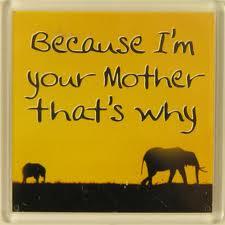
[S]ay unto them, Ye shall be holy: for I the LORD your God am holy. Ye shall fear every man his mother, and his father, and keep my sabbaths: I am the LORD your God. Turn ye not unto idols, nor make to yourselves molten gods: I am the LORD your God. – Leviticus 19:2-4

In my youth I cringed to hear, “Because I’m your Mother, that’s why!” It didn’t seem a good enough reason. Even in post-graduate psychology class we studied Jean Piaget, a Swiss developmental psychologist and philosopher, and embraced his theory that the most noble reason to act is because it’s right not because we were told to do it.

God must not have read Piaget! No less than fourteen (14) times in just one chapter He gives his reason for obedience — “Because I’m your God, that’s why!”

— fritz@langgang.com

Pastoral Pyramid Scheme

Set these persons over the people as officers of groups of thousands, hundreds, fifties, and tens. Let them sit as judges for the people at all times. They should bring every major dispute to you, but they should decide all of the minor cases themselves.” — Exodus 18:21b-22

Moses, on the advice of his father-in-law, built an authority structure like a large pyramid — leaders of tens, fifties, hundreds, thousands with Moses on top. If someone had a need they would go to their local leader, working tougher issues up the pyramid as needed to Moses.

But the Church is NOT intended to be like that, though many are. Jesus had a different model.

But he that entereth in by the door is the shepherd of the sheep. To him the porter openeth; and the sheep hear his voice: and he calleth his own sheep by name, and leadeth them out. And when he putteth forth his own sheep, he goeth before them, and the sheep follow him: for they know his voice …. they know not the voice of strangers. — John 10:2-5

A cursory reading leads one to think Jesus is referring to himself as the shepherd but he is not!

Then said Jesus unto them again, Verily, verily, I say unto you, I am the door of the sheep. — John 10:7

If Jesus is the door who, then, are the shepherds? Our pastor’s, of course. And how should they lead? By example and by knowing their sheep by name. You can’t do that with a pyramid!

The New Testament model for Church is not a pyramid but a relationship with individual members. If your pastor doesn’t know your name find a real pastor. If you think God called you to pastor get to know your sheep not just your leaders. Eat with them, visit them, live with them, love them. You’ll be surprised at what you discover.

— fritz@langgang.com